Ethical Wildlife Photography

Antonio
| 26-09-2026
 · Animal Team
Wildlife photography allows us to witness the beauty and behavior of animals in their natural habitats. Yet, every photographer faces a critical responsibility: capturing images without disrupting the very creatures they admire.
Ethical wildlife photography is about balancing artistry with respect for animals' space, ensuring that our presence does not interfere with their survival or well-being.
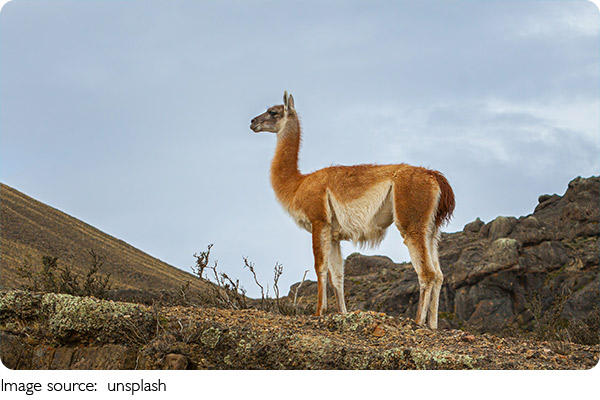
Maintain a Safe Distance
The first principle of ethical wildlife photography is keeping a respectful distance. Getting too close can stress animals, alter their natural behavior, or even put the photographer in danger.
Use long focal lenses: Telephoto lenses ranging from 300mm to 600mm allow close-up images without approaching the animal physically. This minimizes disturbance and ensures natural behavior is captured.
Observe first, photograph later: Spend time studying the animal's movements and routines from afar. Understanding their behavior helps you anticipate shots without intrusive actions.
Never chase or corner animals: Pursuing wildlife to get a "perfect" shot can be stressful or even life-threatening for them.
Respect the Habitat
Wildlife habitats are delicate ecosystems. Footprints, noise, and artificial setups can disrupt the balance of nature.
Stick to designated trails: Avoid trampling sensitive vegetation or disturbing nests, burrows, or feeding areas.
Minimize noise and sudden movements: Speak softly, move slowly, and avoid using flash when possible, as it can startle animals.
Leave no trace: Carry out all trash, props, and equipment. Even small litter can harm wildlife or attract predators.
Prioritize Animal Behavior and Safety
Ethical photographers put animal welfare above aesthetic goals. Observing natural behavior ensures photos are authentic while safeguarding the subject.
Recognize stress signals: Animals may show warning signs, such as fleeing, vocalizing, or defensive postures. If you notice these, retreat immediately.
Avoid interfering with feeding, mating, or caring for young: Interrupting these behaviors can have severe consequences, including reduced reproductive success.
Time your shoots carefully: Early mornings or late afternoons are often ideal for natural lighting and animal activity, reducing the temptation to approach aggressively during peak periods.
Use Technology Responsibly
Modern tools can enhance photography without intrusion.
Remote cameras and traps: Motion-activated cameras allow capturing close-up behaviors without human presence.
Drones with caution: When used responsibly, drones can offer unique aerial perspectives, but excessive noise or low-altitude flights can stress animals.
Editing over interference: Adjust exposure, color, and composition digitally rather than attempting to manipulate or provoke wildlife.
Educate and Advocate
Photographers have the power to inspire respect for wildlife. Ethical practices set an example for others.
Share responsible photography tips: Include information about safe distances, ethical behavior, and habitat preservation when posting photos online.
Support conservation efforts: Photography should celebrate nature without compromising it. Partner with wildlife organizations or contribute to habitat protection initiatives.
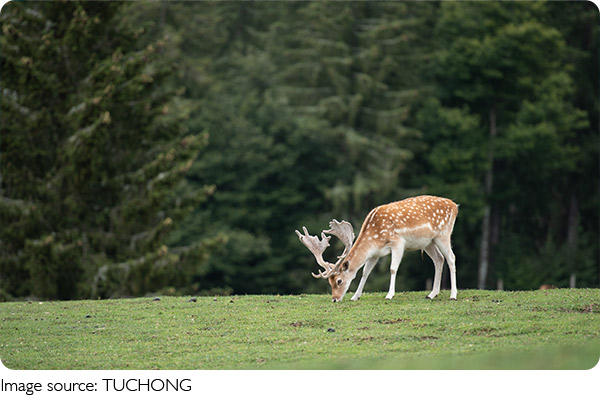
Ethical wildlife photography is a commitment to respect and protect the animals we admire. By maintaining safe distances, observing natural behavior, respecting habitats, and using technology responsibly, photographers can capture stunning images without disrupting life in the wild. The ultimate goal is to foster a deeper appreciation for wildlife while preserving the integrity of their natural environment.
Following these principles ensures that photography does not harm the subjects or their ecosystems, allowing humans and animals to coexist harmoniously while capturing the beauty of the natural world.