Garden Seating Ideas

Yuna
| 31-08-2026
 · Lifestyle Team
A garden can offer more than beautiful plants and open space. The right seating can turn an unused corner into a comfortable spot for reading, enjoying a quiet morning, chatting with friends, or taking a break outdoors.
From simple benches to flexible dining areas, garden seating can be adapted to different spaces, styles, and budgets. The key is choosing furniture that works with the garden rather than making the area feel crowded.
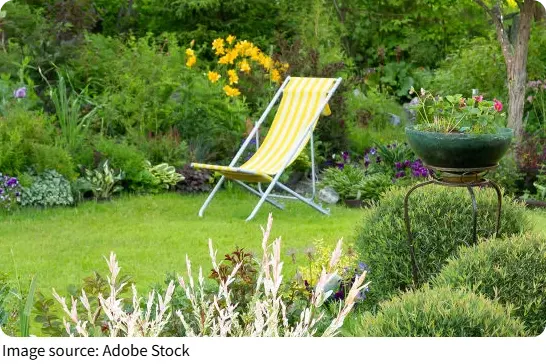
Start With the Garden Layout
Before choosing seating, look carefully at the available space. Consider where the sun falls during different parts of the day, how people move through the garden, and which areas already have attractive views.
A quiet corner surrounded by greenery may suit a small bench, while an open patio can accommodate a larger seating arrangement. Leave clear pathways between seating areas and other important parts of the garden. The size of the furniture matters too. Oversized chairs can make a compact garden feel restricted, while very small seating may look out of place in a large landscape. Choosing furniture in proportion to the surroundings helps create a more balanced layout.
Add a Classic Garden Bench
A bench is one of the most versatile garden seating options. It can fit against a wall, beneath a suitable shade structure, along a pathway, or beside a garden feature. Wooden benches can add a warm, traditional character, while metal or contemporary designs may suit a more modern setting. Consider the material's durability and maintenance requirements before making a choice.
Create a Small Conversation Area
For gardens used mainly for socializing, arrange two or more chairs around a compact table. This creates a defined destination without requiring a large amount of space.
Position the furniture where there is a pleasant view of the garden. A spot facing flowering plants, a landscaped border, or an interesting architectural feature can make the seating area feel more intentional. Think about comfort as well as appearance. Chairs with supportive backs and suitable cushions can make the area more useful for longer periods.
Make Use of Patio Space
A paved patio can naturally become an outdoor living area. A sofa combined with chairs and a small table can create a comfortable arrangement for relaxing or entertaining. Choose outdoor furniture designed for the conditions in the garden. Materials should be suitable for exposure to sunlight and moisture, while cushions should be easy to clean and store when necessary.
Try Flexible and Folding Furniture
Flexible furniture is useful when the garden serves several purposes. Folding chairs and tables can be moved when more open space is needed, making them practical for smaller gardens. Lightweight furniture can also be rearranged to follow changing sunlight or accommodate different activities. Instead of committing to one permanent layout, consider pieces that can adapt throughout the year.
Use Seating to Define Different Zones
Larger gardens can benefit from several seating areas rather than one large arrangement. A bench near a planting border can create a quiet corner, while a table and chairs closer to the house can support meals and gatherings.
Using furniture to divide the garden into zones can make the overall space feel more organized. Each area can have a clear purpose without requiring physical walls or permanent structures. Consider the relationship between each zone. Pathways should connect them naturally, while planting can provide subtle separation between different activities.
Think About Shade and Privacy
The most attractive seating area may not be comfortable if it receives too much direct sunlight. Consider placing furniture beneath an existing tree, beside a suitable covered structure, or under another form of shade. Privacy can also influence the best location. Tall planting, screens, or carefully positioned garden structures can create a greater sense of separation from nearby areas.
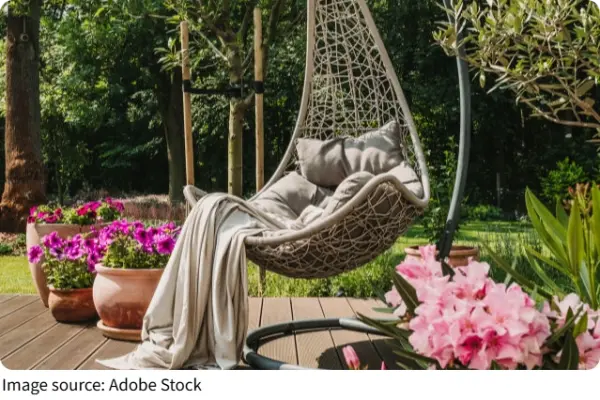
Good garden seating should make outdoor space easier and more enjoyable to use. Focus on comfort, durability, movement, and placement before adding decorative details. With a thoughtful arrangement, even a small seating area can give the garden a clear purpose and create a welcoming place to spend time outdoors.