Bracelet Stacking Ideas

Tessa
| 28-08-2026
 · Fashion Team
If we enjoy wearing beaded bracelets, choosing just one can sometimes feel limiting. Stacking several pieces gives us more ways to express our style, but combining colors, sizes, and designs can also be tricky.
Lykkers, the good news is that we do not need complicated styling rules to create a polished look. With a few simple formulas, we can mix different bracelets while keeping the overall appearance comfortable and balanced.
1. Try the Same Color Family
One of the easiest ways to begin stacking is to choose bracelets from a similar color family. Pieces in related shades naturally create a sense of harmony, making the wrist look neat without requiring much planning.
For example, we can combine several soft neutral shades or choose different tones from the same color range. The bracelets do not need to be exactly identical. Slight differences in shade can actually add depth while keeping the overall appearance coordinated.
This approach works especially well when we want an understated look for everyday outfits. It also gives us plenty of room to experiment without making the combination feel too busy.
2. Add a Color Contrast
For those who prefer a more noticeable combination, contrasting colors can create a stronger visual effect. Instead of choosing similar shades, we can pair colors that look clearly different from each other.
The key is to create contrast without letting every bracelet compete for attention. If one piece has a strong color, the others can have simpler designs or quieter tones. This gives the stack a clear focal point rather than making the entire wrist look crowded.
When we try this formula, it helps to consider the colors of our clothing as well. A contrasting bracelet stack can become an attractive detail when it complements rather than competes with the outfit.
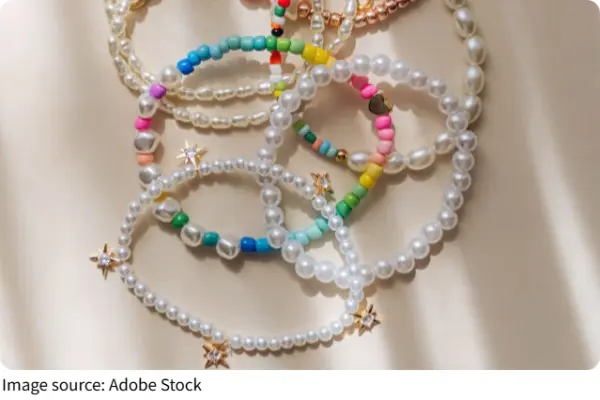
3. Repeat One Material
Another useful formula is to repeat a similar material across different bracelets. This creates a visual connection between the pieces, even when their patterns or arrangements are not the same.
We can make one bracelet the main feature and use another as a smaller supporting detail. For instance, a bracelet with more repeated beads can be paired with a simpler piece that uses the same material in a more limited way.
This method creates a sense of unity while still allowing some variation. It is particularly useful when we already have several bracelets that belong to a similar collection.
4. Mix Large and Small Beads
Size is just as important as color when we build a bracelet stack. Combining larger beads with smaller ones can immediately create more visual layers.
If every bracelet uses beads of exactly the same size, the arrangement may look flat. By introducing a noticeable difference, we can give each piece its own place within the stack.
We do not need to use many bracelets to achieve this effect. Even two pieces with different bead sizes can create enough contrast. Keeping the number of pieces limited can also make the result easier to wear throughout the day.
5. Balance Simple and Detailed Designs
When one bracelet has a detailed pattern, decorative elements, or several visual features, pairing it with a simpler piece can help create balance.
This simple-and-detailed formula prevents the wrist from looking overly complicated. The more decorative bracelet can serve as the main feature, while the simpler one provides visual space around the stack.
We can also reverse the idea by choosing several simple pieces and adding one bracelet with a more noticeable design. The goal is to create a clear sense of priority rather than having every piece demand attention.
Keep the Overall Look Balanced
Before stacking bracelets, we should consider the complete outfit rather than looking at the wrist alone. Colors, clothing details, and the occasion can all influence which combination feels appropriate.
Comfort matters too. Bracelets that rub against one another frequently may develop scratches or other signs of wear, especially when their materials have different levels of hardness. Leaving a little room between pieces can help reduce unnecessary contact.
We also do not need to keep adding more pieces simply because they are available. A smaller stack can often look more refined and is usually easier to coordinate with different outfits.
Final Thoughts
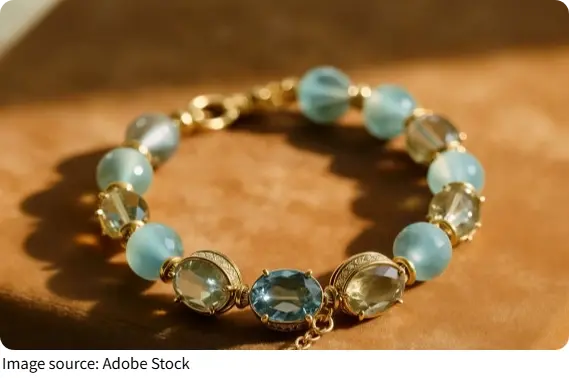
Bracelet stacking becomes much easier when we have a simple starting point. We can choose a shared color family for a coordinated appearance, introduce contrasting shades for more visual interest, repeat a material for unity, mix bead sizes for depth, or combine simple and detailed designs for balance.
There is no single formula that works for every outfit. Lykkers, we can start with two bracelets, test different combinations, and gradually discover which arrangement feels most natural. The best stack is one that looks intentional, feels comfortable, and reflects our own sense of style.