Mirror Tricks
Ethan Sullivan
| 07-08-2026
 · Lifestyle Team
Hi, Readers! Small homes can feel like overstuffed closets on a Monday morning, but mirrors are the classic magician in the room.
Place one well, and suddenly a tight corner starts acting like it rented extra square footage overnight. The real trick is not simply hanging a mirror anywhere it fits.
Position matters, because a mirror can double light, stretch sightlines, and make a room feel more open when it reflects the right thing.
A mirror opposite a window is one of the easiest wins. It catches natural light and tosses it back into the room like a cheerful assistant passing out extra sunshine. In a compact living area, this can make the space feel brighter and less boxed in. If the window has a pleasant view, even better. The mirror repeats that scene and creates a sense of depth, which helps the room feel less like a tiny box and more like a space with breathing room.
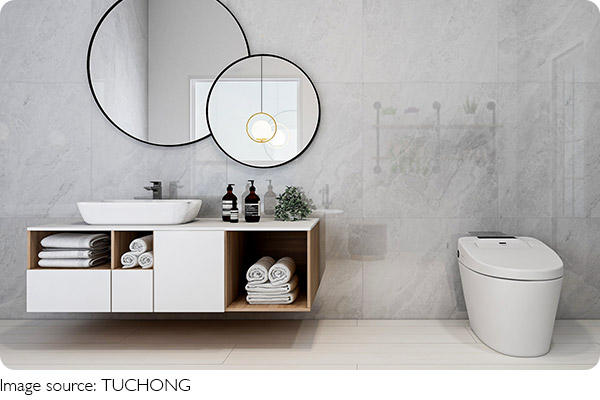
Across From Light
The placement that often works best in a small home is directly across from or near a window. This lets the mirror reflect daylight and spread it around. If a full opposite placement is not possible, even a nearby wall can still help catch and bounce brightness. The goal is simple: reflect something that adds openness, not clutter. If the mirror faces a messy shelf or a packed corner, it can make the room feel twice as busy, which is the exact opposite of what you want.
In Narrow Passages
Hallways and entry areas are often the skinny jeans of home layouts, tight, stiff, and not always forgiving. A mirror in these spots can visually widen the area and reduce that squeezed feeling. A vertical mirror can also help lift the eye upward, making the ceiling seem taller. In an entry, it adds function too, giving you a quick last look before heading out while helping the space feel less cramped.
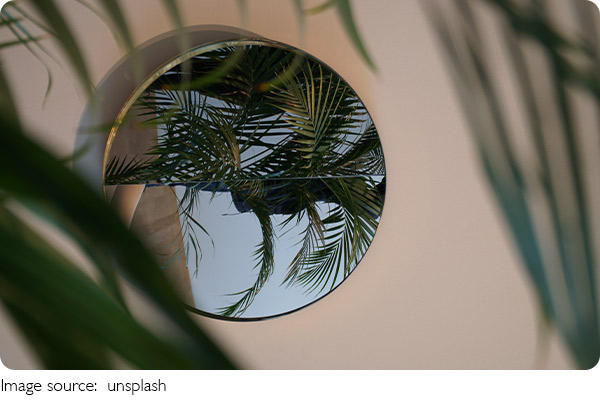
Behind Key Furniture
Another useful location is above a console, sofa, or dresser. This gives the eye a focal point and can add depth without taking up floor space. In dining areas, mirrors are often used to increase the sense of openness and reflect light from fixtures. The effect works best when the reflected view is tidy and balanced. Think of it like taking a selfie in a clean room instead of one with laundry mountains in the background.
Use Size Wisely
Large mirrors usually have the strongest impact in small spaces because they create a broader reflected view. A small mirror can still be lovely, but if the goal is visual expansion, bigger often works better. Leaning a tall mirror against a wall can make a room feel taller and more open, while a grouped arrangement of smaller mirrors can add sparkle and style. Shape matters too. Round mirrors soften a room, while rectangular ones can emphasize width or height depending on how they are placed.
Avoid Reflecting Chaos
This is where mirror placement can go sideways fast. Mirrors double whatever they face, so they should not reflect cluttered storage, tangled cords, or an overpacked area. They also should not create uncomfortable glare from strong light. Before fixing one in place, stand where it will go and check what it reflects. If the reflection looks calm, bright, and appealing, you are on the right track. If it looks like visual traffic jam, move it.
In the end, mirrors are less about decoration alone and more about strategy in a small home. Put them where they can borrow light, extend views, and highlight the neatest parts of your space. A tiny room may not actually grow, of course, but with the right mirror placement, it can absolutely stop feeling like it is wearing shoes two sizes too small.