Nature Photography Secrets

Naveen Kumar
| 08-07-2026
 · Art Team
Nature photography is the art of transforming the natural world into powerful visual stories.
From breathtaking landscapes and delicate plants to fascinating wildlife and changing weather, every scene offers unique opportunities to create meaningful images. Great nature photography is not only about having advanced equipment; it is about understanding light, timing, composition, and the emotions hidden within each moment.
Whether capturing a peaceful forest, a dramatic mountain view, a colorful flower, or the movement of animals in their environment, photographers use creativity and patience to reveal the beauty of nature. By learning essential techniques, anyone can improve their skills and create more inspiring photographs.
Understanding the Beauty of Nature Photography
Nature provides endless subjects, from large landscapes to small details that are often overlooked. Successful nature photographers learn to observe their surroundings carefully and discover interesting moments.
Capturing Landscapes
Landscape photography focuses on wide scenes such as mountains, rivers, forests, and open fields. Photographers often use strong composition, natural lighting, and creative perspectives to show the scale and atmosphere of a location.
Photographing Wildlife
Wildlife photography requires patience, awareness, and respect for animals and their environments. Capturing natural behaviors and unique movements can create powerful images that tell a story.
Exploring Plants and Small Details
Flowers, leaves, textures, and natural patterns can become beautiful subjects when photographed with attention to detail. Close-up photography helps reveal shapes, colors, and features that may not be noticed at first glance.
The Importance of Light in Nature Photography
Light plays a major role in creating beautiful and emotional photographs. Understanding how light changes throughout the day helps photographers make better creative decisions.
Golden Hour Photography
The soft light shortly after sunrise and before sunset creates gentle shadows and warm tones. This period is often preferred for landscape photography because it produces a more natural and balanced appearance.
Using Weather Conditions
Different weather conditions can completely change the mood of an image. Clouds, mist, rain, and changing skies can add depth and atmosphere, creating more dramatic and interesting photographs.
Working With Natural Light
Instead of depending only on bright conditions, photographers learn to use different lighting situations creatively. Soft, cloudy light can highlight details, while stronger light can create contrast and texture.
Mastering Composition Techniques
Good composition helps guide the viewer’s attention and makes an image more visually engaging.
Rule of Thirds
The rule of thirds divides an image into sections to help position important subjects. Placing key elements away from the center can create a more balanced and dynamic photograph.
Leading Lines
Natural lines such as rivers, pathways, tree branches, or rock formations can guide the viewer’s eyes through the image and create a stronger sense of depth.
Creating Depth
Including foreground, middle-ground, and background elements can make landscape images feel more three-dimensional. This technique helps viewers feel connected to the scene.
Choosing the Right Equipment
While creativity is the most important part of photography, the right equipment can help photographers capture more detailed and professional images.
Camera and Lenses
Different lenses provide different creative possibilities. Wide-angle lenses are useful for large landscapes, while telephoto lenses help capture distant wildlife and detailed subjects.
Tripod
A tripod provides stability, especially when photographing in low light or using slower shutter speeds. It helps create sharper images and allows more control over composition.
Filters
Filters can improve certain types of nature photography. Polarizing filters can help reduce reflections and improve contrast, while neutral density filters allow longer exposures in brighter conditions.
Capturing Movement and Emotion
Nature is constantly changing, and capturing movement can make photographs feel more alive.
Water and Weather Movement
Slow shutter speeds can create smooth effects when photographing moving water, while faster shutter speeds can freeze details such as splashing waves or falling rain.
Wildlife Moments
The best wildlife images often come from observing behavior and waiting for the right moment. Patience allows photographers to capture authentic actions and natural expressions.
Seasonal Changes
Different seasons provide different colors, textures, and moods. Photographing seasonal transformations can create a diverse collection of nature images.
Developing Creativity Through Observation
The strongest nature photographs often come from seeing familiar scenes in new ways. Exploring different angles, changing perspectives, and paying attention to small details can help photographers create more original images.
Taking time to observe the environment before pressing the shutter allows photographers to understand the story of the scene. A simple leaf, a reflection in water, or a unique pattern in the landscape can become a memorable photograph when captured with creativity.
Editing and Enhancing Nature Images
Editing can help improve photographs while maintaining the natural beauty of the scene. Adjusting brightness, contrast, colors, and details can bring out important elements of an image.
However, good editing should support the original photograph rather than completely change the appearance of nature. A balanced approach helps preserve authenticity while enhancing visual impact.
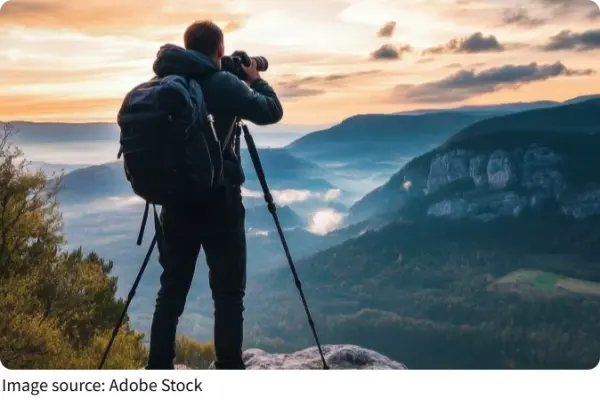
The art of nature photography combines technical knowledge, creativity, and a deep appreciation for the natural world. By understanding lighting, composition, equipment, and timing, photographers can capture images that express the beauty and emotion of every environment.
Nature photography is not only about creating beautiful pictures; it is also about learning to observe, explore, and appreciate the details that make each moment unique. With patience and practice, anyone can develop the skills needed to create inspiring nature photographs.