Bichon Coat Care

Elena Rossi
| 04-06-2026
 · Animal Team
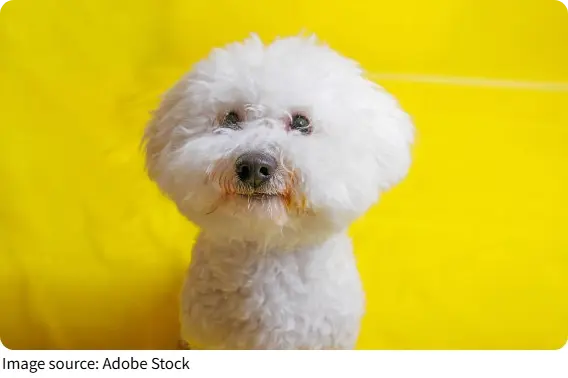
Few dogs are as charming as a Bichon Frise. With its bright white coat and soft, cloud-like appearance, this little companion often looks like a walking cotton ball.
Many owners fall in love with the breed because of its beautiful fur. However, some people notice that their furry friend starts developing thin patches, rough areas, or even visible skin.
If this sounds familiar, don't worry. Coat issues are often linked to daily care habits, nutrition, skin health, or emotional well-being. The good news is that with the right approach, we can help our Bichon regain a fuller, healthier appearance. Let's explore practical ways to keep that fluffy coat looking its best.
Understanding Why Hair Loss Happens
Before finding a solution, we need to understand the cause. Although Bichons are known for shedding very little, noticeable hair loss is usually a sign that something needs attention.
Common reasons include:
- Skin conditions caused by fungi, mites, or bacteria
- Poor nutrition and lack of important nutrients
- Incorrect bathing and grooming routines
- Emotional stress or anxiety
- Hormonal imbalances
Identifying the root cause helps us choose the most effective care plan. If hair loss appears suddenly or becomes severe, a veterinary examination is always a good idea.
1. Build a Coat-Friendly Diet
A healthy coat starts from the inside. Hair is largely made of protein, so providing quality nutrition is one of the most important steps.
Choose a high-quality dog food with a good protein content. Many owners also add nutritious foods such as:
- Cooked chicken meat
- Cooked eggs or egg yolks in moderation
- Fish oil supplements recommended for dogs
- Lecithin supplements designed for pets
Omega-3 nutrients found in fish oil may support skin comfort and help maintain a healthy coat texture. Consistent nutrition often leads to visible improvements over several weeks.
2. Brush the Right Way Every Day
Bichon coats can easily develop tangles. When knots form close to the skin, air circulation decreases and skin irritation may occur.
Daily brushing for about 10 minutes can make a huge difference.
A simple routine includes:
1. Start at the ends of the hair.
2. Gently remove small tangles.
3. Work toward the roots.
4. Finish by brushing the entire body evenly.
Pay special attention to:
- Behind the ears
- Under the front legs
- Around the belly area
Using a stainless-steel comb together with a slicker brush often provides excellent results.

3. Find the Right Bathing Schedule
Bathing too often can dry out the skin, while bathing too rarely may allow dirt and bacteria to accumulate.
For most Bichons, a bath every 7 to 10 days works well.
Helpful bathing tips:
- Use a shampoo specifically made for dogs
- Keep water temperature between 35°C and 38°C
- Apply a conditioner suitable for canine coats
- Rinse thoroughly to remove all product residue
A balanced routine helps maintain softness and supports overall coat quality.
4. Dry the Coat Completely
This is one of the most overlooked parts of grooming.
Many owners dry the surface of the coat but leave moisture near the skin. Remaining dampness can create an environment where skin problems develop.
A better method:
1. Gently press the coat with an absorbent towel.
2. Avoid rubbing aggressively.
3. Use a dryer while brushing through the coat.
4. Continue until the hair feels completely dry from root to tip.
The coat should feel fluffy and dry throughout, not just on the surface.
5. Keep Up With Parasite Prevention
External parasites can irritate the skin and affect coat quality.
Regular preventive care recommended by your veterinarian can help protect your pet from common skin issues.
Watch for warning signs such as:
- Frequent scratching
- Constant licking
- Red spots
- Excessive flakes
Early attention often prevents small problems from becoming larger concerns.
6. Maintain a Clean Living Space
A clean environment supports healthy skin and fur.
Simple habits include:
- Washing bedding regularly
- Cleaning toys often
- Vacuuming floors and carpets
- Keeping resting areas dry
Because Bichons spend a lot of time indoors, their surroundings play a significant role in overall coat condition.
7. Enjoy Safe Outdoor Sunshine
Daily outdoor time offers more than exercise.
Moderate sunlight exposure can support overall wellness and encourage normal skin function. Around 15 to 20 minutes of outdoor time each day is often beneficial.
Choose:
- Morning walks
- Late afternoon outings
Avoid the strongest midday sunlight, especially during warmer months.
8. A Happy Mind Supports a Healthy Coat
Many people are surprised to learn that emotions can influence coat condition.
Bichons thrive on companionship. Long periods of isolation, sudden environmental changes, or lack of interaction may lead to stress-related hair loss.
Ways to boost happiness:
- Daily walks
- Interactive toys
- Short training sessions
- Quality playtime
- Gentle affection and attention
A cheerful dog often displays a healthier appearance overall.
What If Bald Spots Have Already Appeared?
If your Bichon already has noticeable bald patches, professional evaluation is important. A veterinarian can determine whether the issue is caused by mites, fungal infections, bacterial conditions, or another underlying factor.
Once the cause is identified and treated, combining medical care with proper grooming and nutrition often leads to visible improvement within several weeks. Patience is essential because healthy hair growth takes time.
Final Thoughts
Lykkers, caring for a Bichon's beautiful white coat is a bit like caring for a delicate garden. With balanced nutrition, proper grooming, a clean environment, regular outdoor activity, and plenty of companionship, we can help our furry friends maintain that soft, fluffy appearance everyone loves.
Small daily habits often create the biggest results. Have you discovered any grooming tricks that work especially well for your Bichon? We'd love to hear your experiences and tips!