Nature Builds Curiosity

Owen Murphy
| 27-05-2026
 · Lifestyle Team
Some of the most meaningful learning experiences begin in simple everyday moments.
A child watching floating leaves, observing insects, or noticing patterns in nature may be doing more than simply playing. These experiences can become valuable opportunities for curiosity, exploration, and learning.
In everyday life, nature offers countless opportunities for discovery. Through observation and simple activities, ordinary moments can become meaningful experiences that support learning and encourage a stronger connection with the world around us.
Seeing More in Everyday Moments
Children naturally observe the world around them, but their attention can quickly move from one thing to another. Encouraging them to slow down and look more carefully can strengthen observation skills and develop deeper curiosity.
One simple practice is beginning the day with a short outdoor observation activity. Spending a few quiet minutes listening to birds, noticing the movement of leaves, or focusing on a single tree branch can help children become more aware of changes in their environment. Over time, they may begin recognizing patterns and developing stronger attention to detail.
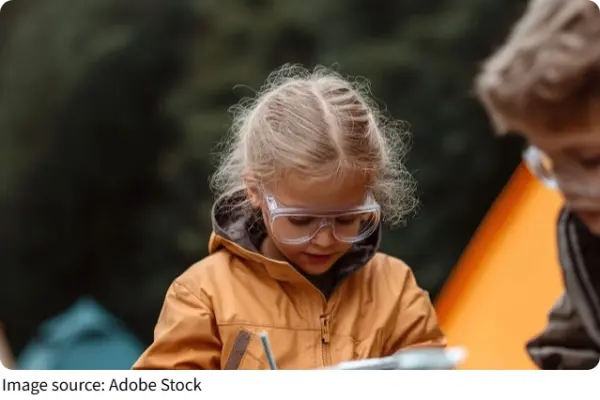
Sensory activities can also create engaging learning opportunities. Everyday objects such as dried leaves, fruit peels, or smooth stones can be used to encourage children to explore textures, scents, and sounds. Rather than emphasizing correct answers, these experiences encourage imagination and personal interpretation.
After rainfall, outdoor environments can provide additional opportunities for discovery. Reflections in puddles, insect activity, and snail trails can transform a simple walk into an engaging learning experience. Asking children to draw or describe what they observed can further strengthen memory and observation skills.
Turning Questions Into Exploration
Curiosity becomes more meaningful when it leads to action and exploration. Instead of simply answering questions, adults can encourage children to investigate and discover ideas independently.
Simple experiments at home can support this process. Placing seeds in different conditions, such as varying amounts of light or moisture, allows children to observe how environmental factors influence growth. Even unexpected outcomes can provide valuable learning experiences.
Light and shadow activities can also introduce scientific thinking in an accessible way. Observing how shadows change when distance and light positions vary helps children recognize relationships between objects and their surroundings.
Similarly, observing insects and their movement patterns can encourage further inquiry. Watching how insects respond to food sources or navigate spaces naturally leads to questions about behavior, adaptation, and the natural world.
Understanding Connections in Nature
As children begin recognizing relationships rather than viewing things as isolated objects, their understanding becomes more meaningful and comprehensive.
Creating simple labels for nearby plants or trees can encourage closer observation. Information about seasonal changes, visible characteristics, or interactions with animals can help children understand that living things exist within connected systems.
Even everyday experiences such as observing how fruit peels gradually decompose can become learning opportunities. These observations help children understand natural cycles and demonstrate how materials continuously change and return to the environment.
Daily activities such as preparing meals can also strengthen these connections. Observing changes in texture, color, and appearance during cooking helps children recognize how nature and everyday life are closely linked.
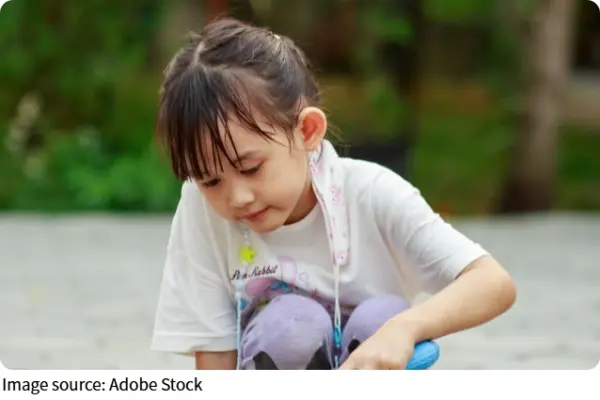
Nature does not require special destinations or carefully planned experiences to become meaningful. Opportunities for learning already exist within everyday surroundings and are often found in the smallest details. Through observation, exploration, and simple activities, children can develop curiosity, critical thinking skills, and a stronger connection with the world around them.
Encouraging children to slow down and pay attention to ordinary moments can transform everyday experiences into valuable opportunities for discovery. Over time, these small experiences may become the foundation for lifelong learning and a lasting appreciation of the natural world.