Decorate With Small Objects

Nolan O'Connor
| 26-04-2026
 · Lifestyle Team
Walk into a room that feels genuinely put-together and look closely at what's actually making that impression. It's rarely the sofa or the paint color — it's almost always the small things.
A carefully grouped cluster of objects on a shelf. A single ceramic piece in an unexpected spot. A tray on a coffee table that makes three random items look like a curated collection.
Small decorative objects are the finishing layer that separates a room that looks furnished from one that looks designed. The technique isn't about spending more. It's about placing things with intention.
The Grouping Rule: Always Think in Threes
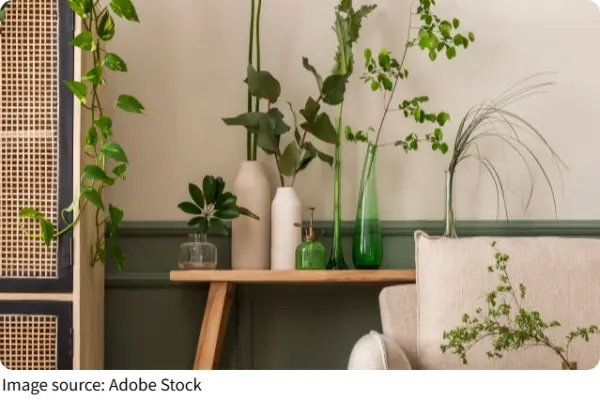
The most reliable principle in decorative styling is the rule of odd numbers, and three is the most versatile grouping. Two objects look symmetrical and static. Four looks like a pattern. Three creates natural tension and visual interest that the eye finds more engaging to move across.
When grouping three objects, vary them across at least two of these three dimensions:
1. Height — combine a tall piece, a medium piece, and a short piece so the eye travels up and down naturally across the group
2. Shape — mix a round object with something angular and something with an irregular or organic outline
3. Texture — place a smooth ceramic next to something rough like raw stone or woven rattan, and something with a reflective quality like brass or glass
A group that varies across all three dimensions reads as sophisticated. A group of three identical objects reads as a shop display.
Trays Are the Most Underused Tool in Home Styling
A tray does something quietly brilliant — it creates an invisible boundary that tells the eye "these objects belong together." Without a tray, three items on a coffee table look like they were left there by accident. The same three items on a small tray look like a deliberate vignette.
Use trays to:
1. Anchor a coffee table grouping — a candle, a small plant, and one decorative object on a tray becomes an instant centerpiece
2. Organize a bathroom countertop — a few small items on a marble or wooden tray instantly elevates the space from functional to considered
3. Style a bedside table — a tray containing a small lamp, a single book, and one personal object creates a composed scene rather than a cluttered surface
The tray itself doesn't need to be expensive — a simple wooden board, a slate tile, or a wicker tray from a homeware store works as well as anything designer.
Level Changes: Why Everything on One Surface Gets Boring
Flat surfaces — shelves, tables, windowsills — become visually uninteresting when everything sits at the same level. The fix is to deliberately introduce height variation using objects that lift others:
1. Stack books horizontally and place a small object on top — the stack becomes a platform
2. Use a small wooden box or a chunky candle holder as a riser under a vase or figurine
3. Place a framed print behind a group of objects so the two-dimensional element adds vertical presence without taking up surface space
4. Let some items hang slightly over the edge of a shelf — this breaks the rigid line and makes the arrangement feel more relaxed and natural
The Power of Negative Space
The instinct when decorating is to fill surfaces. The counterintuitive truth is that leaving space around objects is what makes them visible. A single beautiful ceramic on an otherwise clear shelf commands far more attention than the same ceramic surrounded by ten other things competing for the eye.
A practical approach: style a surface fully, then remove one third of the objects. The result almost always looks better — more intentional, more breathing room, more confident.
Where to Focus Your Efforts for Maximum Impact
Not all surfaces are equal. Certain spots in a home carry more visual weight and deliver more return on decorative investment:
1. The entry point — the first surface you or guests see when entering; even one small, considered arrangement here sets the tone for the entire home
2. The coffee table — sits at eye level when seated and gets looked at constantly; worth the most styling attention in a living room
3. Open shelving — acts as a permanent display, so the arrangement matters and should be revisited seasonally
4. The bathroom countertop — the most overlooked surface in most homes, and one of the easiest to transform with just two or three well-chosen small pieces
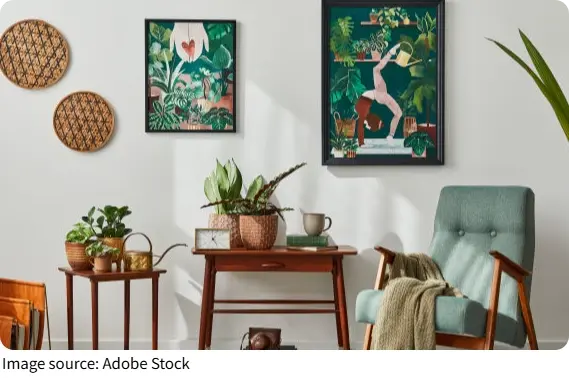
Small objects don't decorate a room — thoughtfully placed small objects do. The difference is entirely in how they relate to each other and to the space around them. Start with one surface, apply the grouping principle, introduce a tray, create some height variation, and step back. The room will already feel different.