Why Leaves Come in Shapes

Declan Kennedy
| 10-04-2026
 · Plant Team
You notice it on a walk or while watering a houseplant.
Some leaves are long and narrow, others wide like hands, some cut into deep lobes. It's tempting to see leaf shape as decoration, but for plants, shape is a tool.
Each outline solves a problem—light, water, heat, or stability—often all at once.
Wide leaves and light collection
Broad leaves are common in places where light is limited or scattered. Their shape maximizes exposure.
1. Larger surface area captures more indirect light.
2. Flat structure spreads light evenly across the leaf.
3. Horizontal orientation reduces shading from neighboring leaves.
If you grow plants with wide leaves indoors, place them near indirect light rather than harsh direct sun. Rotating the plant weekly helps all leaves receive similar exposure and prevents uneven growth.
Narrow leaves and water control
Thin, needle-like, or strap-shaped leaves excel in dry or windy conditions. Their shape limits water loss.
1. Smaller surface area reduces evaporation.
2. Reduced airflow contact slows moisture loss.
3. Compact form handles strong air movement better.
For plants with narrow leaves, overwatering is a common mistake. Let the soil dry more thoroughly between watering cycles to match how these leaves manage moisture.
Lobed and divided leaves for cooling
Leaves with cuts, lobes, or deep divisions aren't random. These shapes help regulate temperature.
1. Airflow channels allow heat to escape.
2. Segmented sections cool faster than solid surfaces.
3. Flexible movement reduces heat buildup in still air.
If you notice a plant with deeply cut leaves wilting less during warm days, that's design at work. Keep these plants in areas with gentle air movement to support natural cooling.
Drip-tip leaves and water management
Some leaves end in pointed tips that seem exaggerated. These shapes manage excess moisture.
1. Fast water runoff prevents pooling on the leaf surface.
2. Cleaner leaf surface reduces growth of unwanted organisms.
3. Consistent gas exchange keeps the leaf functioning after rain.
When caring for plants with pointed leaf tips, avoid misting constantly. They already shed water efficiently, and excess moisture can interfere with their balance.
Thick and rounded leaves for storage
Plump, rounded leaves often signal storage rather than speed.
1. Internal water reserves support long dry periods.
2. Reduced edge exposure limits evaporation.
3. Strong structure protects stored resources.
Use well-draining soil for plants with thick leaves. Their shape assumes water comes rarely but in full amounts, so lingering moisture works against their design.
Leaf edges as defensive tools
Smooth edges aren't the only option. Serrated or rough edges serve practical roles.
1. Faster water movement during rain.
2. Early leaf expansion during growth phases.
3. Deterrent texture discourages damage from the environment.
If your plant has jagged edges, handle leaves gently during cleaning. Their structure often supports active growth, and rough handling can cause stress.
Leaf shape and growth direction
Leaf outlines also influence how plants grow overall.
1. Vertical leaves reduce direct sun exposure.
2. Angled leaves balance light capture and cooling.
3. Overlapping patterns minimize self-shading.
An easy observation exercise is to watch leaf angles at different times of day. You'll often see subtle shifts as the plant fine-tunes light use.
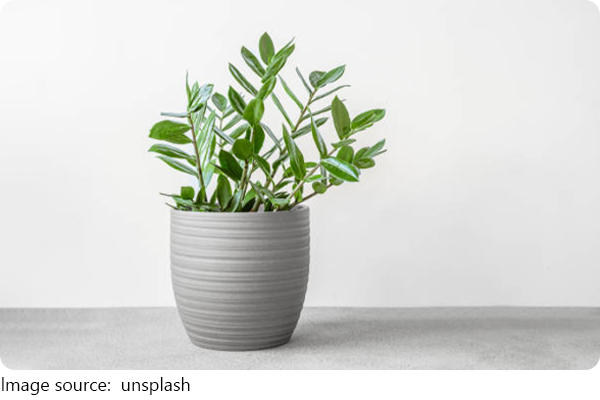
What leaf shapes teach plant owners
Leaf shape is a care guide written into the plant itself.
1. Broad leaves hint at steady moisture and filtered light.
2. Narrow leaves suggest restraint with watering.
3. Thick leaves signal patience over frequent attention.
Next time you bring home a plant, don't start with instructions. Look at the leaves first. Their shape tells you how the plant expects to live.
Leaves aren't trying to impress anyone. They're solving problems quietly, day after day. Once you start reading their shapes as strategies instead of decoration, plant care becomes less guesswork and more conversation—one where the plant has been explaining itself all along.