Animal Migration

Pardeep Singh
| 10-04-2026
 · Animal Team
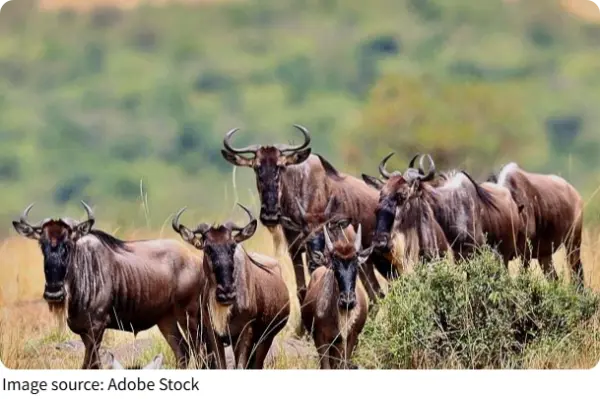
As dawn breaks over the plains, a rolling wave of hooves thunders across the horizon.
Wildebeests, zebras, and gazelles move together in an unstoppable current, driven by instincts and the search for fresh grazing grounds.
This is the Great Migration, one of nature's most spectacular events—and it's far more than a visual marvel. The mass movement of animals has profound effects on the ecosystems they traverse, influencing vegetation, predator populations, and even the soil itself.
Renewing Vegetation and Soil Health
The sheer number of animals moving through grasslands has a noticeable impact on plant life and soil.
1. Grazing Patterns
As herds graze, they selectively feed on certain grasses, preventing any single species from dominating. Their movement also allows previously grazed areas to recover, encouraging a patchwork of plant growth that supports biodiversity.
2. Nutrient Distribution
Animal droppings act as natural fertilizer, enriching the soil with nitrogen and other nutrients. Trampling by hooves helps mix organic matter into the ground, improving water absorption and promoting new growth.
3. Actionable Example
Visiting a wildlife reserve, observe the difference between heavily grazed areas and untouched patches. Note how plant height, density, and diversity vary, giving insight into how migration drives ecological renewal.
Influence on Predator Populations
Migrating herds provide a critical food source for predators, shaping hunting behavior and population dynamics.
1. Predatory Strategy
Lions, cheetahs, hyenas, and other carnivores adjust their hunting locations based on migration routes. Predators often congregate near river crossings or grazing hotspots, where prey is most concentrated.
2. Population Health
A steady supply of prey helps predators reproduce and maintain healthy populations. Conversely, disruptions in migration patterns can reduce food availability, affecting predator survival and ecosystem balance.
3. Actionable Example
Tracking predator sightings relative to herd movements in national parks shows how predators depend on migration timing. Conservationists use this information to plan anti-poaching patrols and habitat protection strategies.
Seed Dispersal and Plant Diversity
Migration doesn't just affect animals—it also shapes plant life.
1. Carrying Seeds
Many plant seeds attach to fur or pass through digestive tracts intact. As herds move, they spread seeds across vast areas, promoting genetic diversity and colonization in new habitats.
2. Ecosystem Connectivity
Seed dispersal along migration routes creates links between different ecosystems, helping plants adapt to changing environmental conditions and reducing the risk of local extinction.
3. Actionable Example
Observing droppings in areas where herds have passed can reveal new plant growth patterns. This demonstrates how animals act as natural gardeners, spreading species across landscapes.
Waterways and Wetland Effects
Migration can influence rivers, lakes, and wetlands, both directly and indirectly.
1. River Crossing Impact
When herds cross rivers, they stir sediments and redistribute nutrients. This natural activity can enhance aquatic plant growth and create microhabitats for fish and amphibians.
2. Wetland Renewal
The movement of animals helps maintain wetland health by preventing overgrowth of certain plants and promoting water flow, which benefits amphibians, birds, and insects.
3. Actionable Example
Visiting a river used as a migration corridor, observe changes in vegetation along the banks. Comparing pre- and post-migration conditions illustrates the ecosystem engineering performed by moving herds.
Long-Term Ecosystem Balance
The Great Migration is more than a spectacle; it's a critical force in maintaining ecosystem balance.
1. Biodiversity Support
By regulating plant growth, supporting predator populations, and distributing seeds, migration sustains a dynamic equilibrium in ecosystems. Each element, from tiny insects to large herbivores, benefits from this cyclical movement.
2. Resilience Against Change
Healthy migration patterns help ecosystems adapt to droughts, fires, or other environmental stresses by maintaining species diversity and nutrient cycles.
3. Actionable Example
Conservation programs that monitor migration routes can identify critical habitats and implement measures to preserve them. Supporting these initiatives ensures that the ecological benefits of migration continue for future generations.
The Great Migration is a powerful reminder that animal movements ripple through ecosystems, influencing plants, predators, and landscapes alike. Observing or studying these migrations reveals the intricate connections between species and their environment, and highlights the importance of protecting the routes that make such natural spectacles—and ecological health—possible.