Birds in the Food Chain

Santosh Jha
| 10-04-2026
 · Animal Team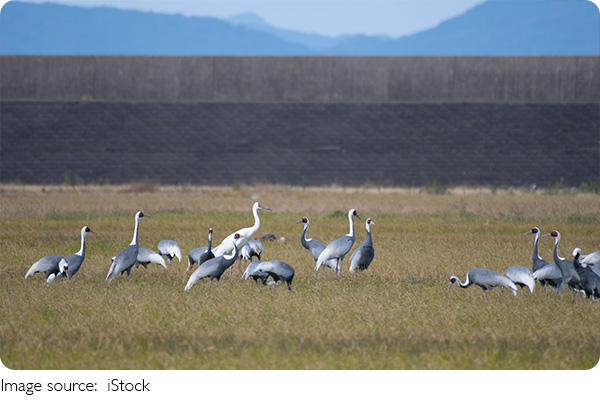
Early in the morning, the chirping of birds fills the air, signaling more than just a new day—it's a reminder of the complex role birds play in their ecosystems.
Birds occupy multiple positions in the food chain, from predators to scavengers, pollinators, and seed dispersers.
Their interactions shape habitats, control populations, and even influence the survival of other species. Observing birds in action reveals the invisible threads that link all life together.
Birds as Predators
Many birds actively hunt, controlling the populations of their prey.
1. Hunting Insects and Small Animals
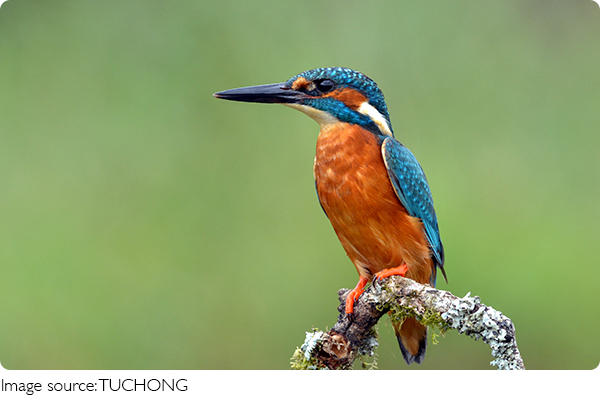
Birds such as hawks, owls, and kingfishers feed on rodents, insects, and small fish. By keeping prey populations in check, they prevent overpopulation, which could otherwise lead to habitat degradation or the spread of disease.
2. Actionable Example
If you have a backyard or local garden, place a bird feeder that attracts insect-eating birds like chickadees or nuthatches. Observing how they catch pests demonstrates their role as natural pest controllers.
Birds as Scavengers
Scavenging birds help recycle nutrients and maintain ecosystem health.
1. Cleaning Up the Environment
Species like vultures, crows, and gulls feed on carrion or organic waste. Their scavenging prevents the accumulation of decaying matter, reducing the risk of disease for other animals and humans.
2. Actionable Example
Visit a wildlife refuge or observe a riverbank where gulls or crows gather. Watching them consume leftovers highlights how scavengers contribute to nutrient cycling.
Birds as Seed Dispersers
Birds play a vital role in plant reproduction by spreading seeds.
1. Eating Fruits and Dropping Seeds
Many frugivorous birds consume fruits and later excrete seeds far from the parent plant. This helps maintain plant diversity and enables forests and shrublands to regenerate.
2. Actionable Example
Plant a fruiting tree or bush in your yard and observe which birds visit. Tracking how far seeds are dispersed gives insight into how birds contribute to plant propagation.
Birds as Pollinators
Some bird species also support flowering plants by transferring pollen.
1. Nectar-Feeding Birds
Hummingbirds, sunbirds, and certain honeyeaters feed on nectar while brushing against flowers, moving pollen from one bloom to another. This enhances plant reproduction and sustains the availability of fruits and seeds for other animals.
2. Actionable Example
Set up a hummingbird feeder near flowering plants and watch how birds brush against petals. This simple observation shows the connection between birds and plant health.
Indicators of Ecosystem Health
Bird populations can reveal the state of their habitats.
1. Sensitive to Environmental Changes
Because birds respond quickly to shifts in food availability, pollution, or habitat loss, changes in their numbers often indicate broader ecological issues. For example, a decline in insect-eating birds may signal an insect population collapse.
2. Actionable Example
Join local bird counts or citizen science programs. Recording bird species and numbers provides data that helps track ecosystem health and guides conservation efforts.
Birds are far more than creatures that brighten our mornings—they are essential players in the food chain, maintaining balance across ecosystems. From controlling pests and cleaning up carrion to dispersing seeds and pollinating flowers, each bird contributes to a larger web of life. Observing and supporting these behaviors reminds us that even small changes in bird populations can ripple across the environment, affecting countless other species, including our own.