Nature's Master Builders

Mukesh Kumar
| 19-01-2026
 · Animal Team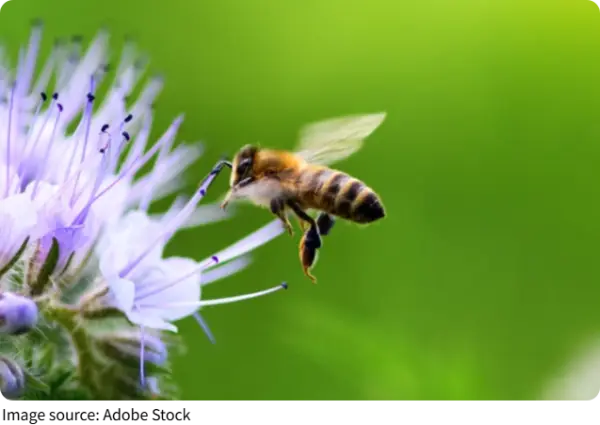
Have you ever stopped to stare at a towering mound in the middle of a savanna or cracked open the waxy pattern of a honeycomb? At first glance, they may look like piles of dirt or neat storage shelves.
However, termite mounds and beehives aren't random—they're carefully engineered structures that reveal just how remarkable animal architects can be.
The Genius of Termite Mounds
Termite mounds can stretch more than 20 feet into the air, dwarfing the tiny creatures that build them. To a casual observer, it's just a mud tower. But inside, it's a living city. Termites construct networks of tunnels, chambers, and ventilation shafts, all designed to regulate temperature and humidity.
Here's the clever part: the outside climate might swing wildly between scorching days and chilly nights, but inside the mound, conditions remain stable. This is essential for the fungus termites cultivate as their main food source. It's like having central heating and air conditioning, designed entirely from soil, saliva, and instinct.
Scientists studying termite mounds have even inspired new building designs. By mimicking the natural ventilation of these structures, architects have created office buildings that use far less energy for cooling.
The Perfection of Beehives
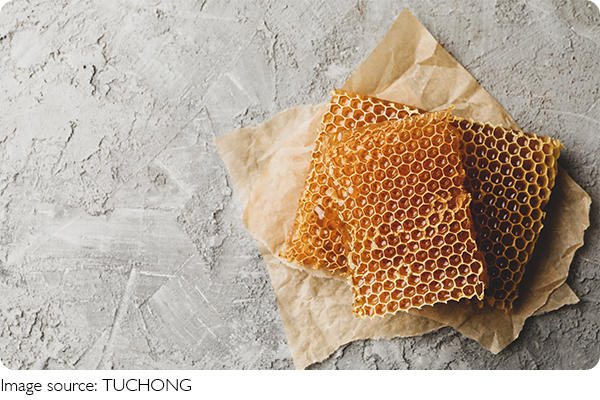
If termite mounds are skyscrapers, beehives are masterpieces of geometry. Bees build honeycombs using perfect hexagons—no squares, no circles, no wasted space. Why hexagons? Because this shape uses the least amount of wax while storing the maximum amount of honey.
What's more, bees keep their hive at a steady 95 degrees Fahrenheit, no matter the weather outside. Worker bees cluster together and shiver to warm the hive in winter, or fan their wings to cool it in summer. This collective climate control makes sure larvae develop properly, and honey doesn't spoil.
Every cell in a honeycomb has a purpose: storing honey, holding pollen, or nurturing young bees. Nothing is random, nothing wasted. It's a lesson in efficiency that humans often struggle to match.
Shared Secrets of Animal Architecture
Though termites and bees live in very different worlds, their designs share some striking similarities:
Temperature regulation: Both create systems that stabilize internal climates, essential for survival.
Efficient use of resources: Termites use soil and saliva, bees use wax, and both minimize waste.
Collective labor: No single termite or bee knows the full blueprint, yet together they build structures of astonishing complexity.
Their work proves that big results don't always come from big brains, but from many small contributions aligned by simple rules.
Lessons for Human Design
It might seem odd to compare insect structures with our own buildings, but there's plenty to learn:
Sustainability: Termite-inspired designs reduce energy use, pointing to greener solutions for human cities.
Efficiency: The honeycomb shows how simple geometry can maximize space and minimize waste.
Collaboration: Both termites and bees remind us that teamwork can create results far greater than individual effort.
In fact, some of the most innovative human designs—like energy-efficient skyscrapers or lightweight materials—borrow directly from these insect architects.
A Final Reflection
The next time you see a mound rising from the ground or taste honey from a comb, think of the tiny builders behind it. Their creations aren't just shelters; they're testaments to resilience, cooperation, and ingenuity.
Termites and bees may not know they're architects, but their work speaks louder than blueprints. They remind us that nature often solves problems in ways more elegant and sustainable than we can imagine. And perhaps the real challenge for us is to watch, learn, and carry those lessons into our own designs.